Designing Hospitality Concepts That Perform Long After Opening Night
By: Katie Pass-Brinker
New hospitality concepts often launch strong—earned media, local buzz, full rooms, and packed restaurants. But the real question buyers and operators face is this: What drives performance six months, a year, or three years later?
At NELSON Worldwide, we help hospitality brands, developers, and operators build concepts that don’t just open successfully—they endure. Our approach centers on narrative-led design, rooted in place, culture, and community. Having worked with top hospitality brands across the country and internationally, we know the spaces that sustain demand share one differentiator: they’re built on a meaningful story, not just visual aesthetic.
When narrative and place guide the design process, guests form a connection to the space. And connection is what drives frequency, loyalty, and long-term value.
Why Story Matters for Performance
A clever theme or high-impact interior may boost early interest, but it won’t carry a concept through slower cycles or shifting trends. By contrast, design rooted in authentic narrative and local relevance is remembered by guests because it creates an experience that rewards exploration and builds emotional equity.
This narrative-led approach becomes a business asset:
- It increases return visitation and word-of-mouth.
- It creates a defensible brand position in crowded markets.
- It enables the concept to evolve over time without diluting its identity.
Embedding Narrative Into the Guest Journey
To stay relevant beyond the first impression, the guest journey must unfold thoughtfully. Narrative-rich environments keep guests curious—encouraging them to discover something new with each visit.
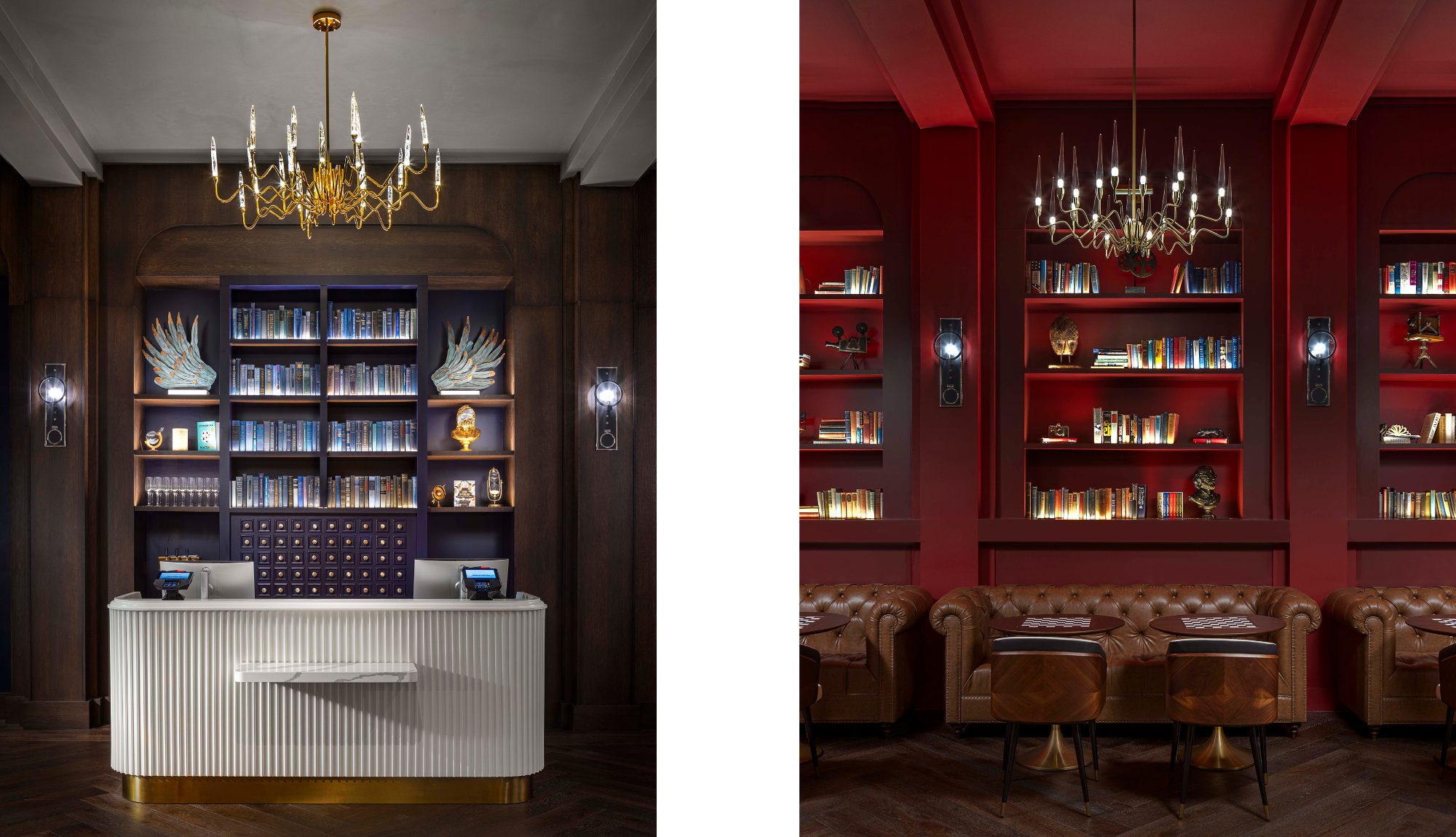
Trilith Guesthouse in Fayetteville, Georgia demonstrates how this comes to life. Positioned within The Town at Trilith—a community built around the art of storytelling—the boutique hotel uses subtle, layered design cues to reward exploration. Accessories, books, and artwork all have a relevance to the film industry. If a guest looks close enough, the shelves are lined with the stories that inspired some of their favorite movies and series.
The effect: a hotel that functions less as a static environment and more as an experience guests want to revisit because they know they haven’t seen everything yet.
Creating Places That Can Only Exist There
In a market saturated with lookalike hospitality products, buyers understand the value of a defensible sense of place. Properties that draw from local identity deliver an instant emotional resonance—and a competitive advantage that cannot be copied by a brand two blocks away.
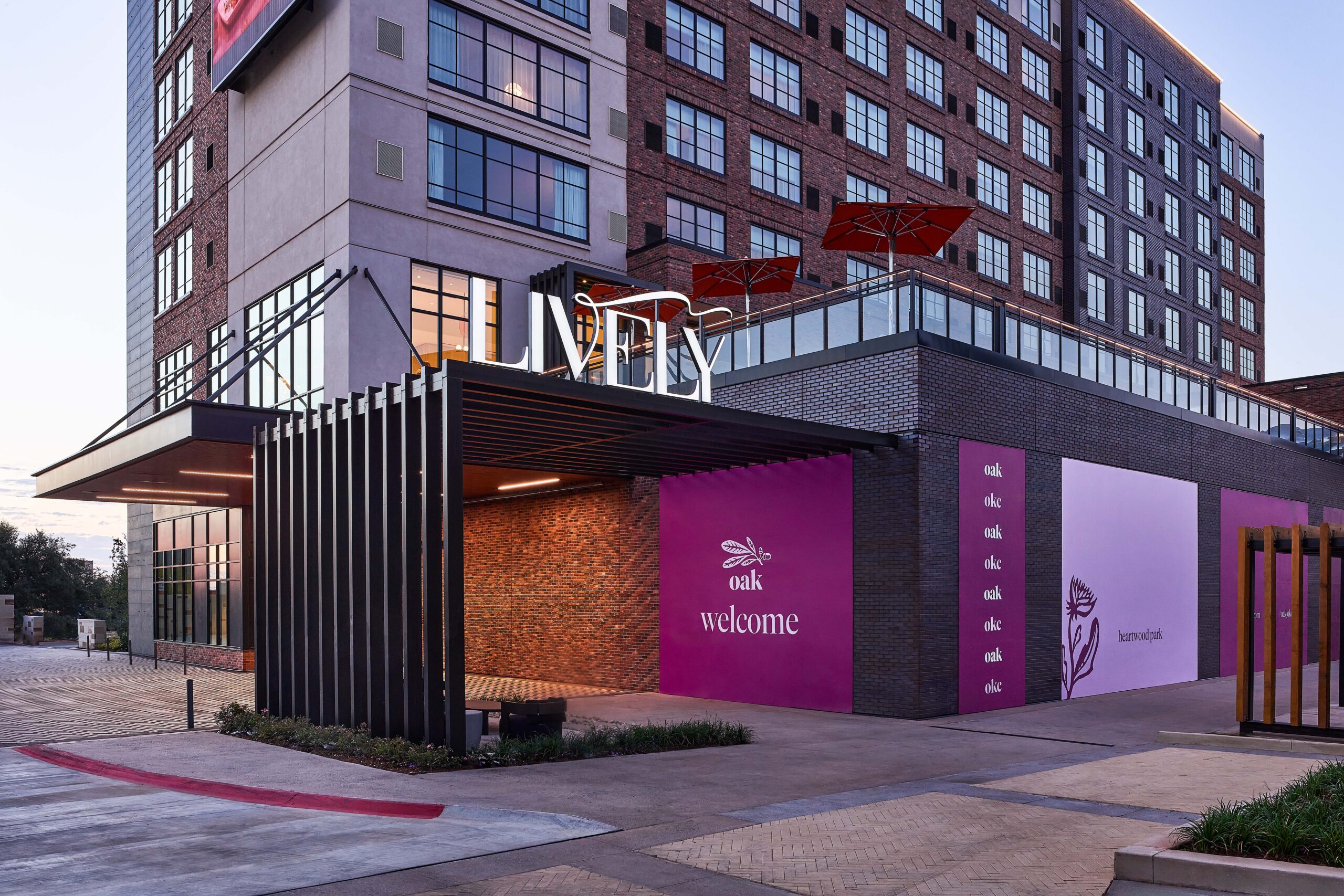
The Lively Hotel at OAK (Hilton Tapestry) in Oklahoma City pulls directly from the city’s heritage, weaving in scissortail motifs, cowboy culture, and the oak tree as a symbol of local strength.
The Bellyard Hotel (Marriott Tribute) in West Midtown Atlanta taps into its stockyard and rail history through materiality, craftsmanship, and subtle industrial notes.
These properties succeed because their stories are specific to their neighborhoods. Guests remember them—and return to them—because the experience is inseparable from place.
Designing Models That Build Community Loyalty
The most resilient concepts don’t just reflect their communities; they engage them. This “participatory design” approach creates built-in longevity by turning guests into active contributors who shape the experience over time.
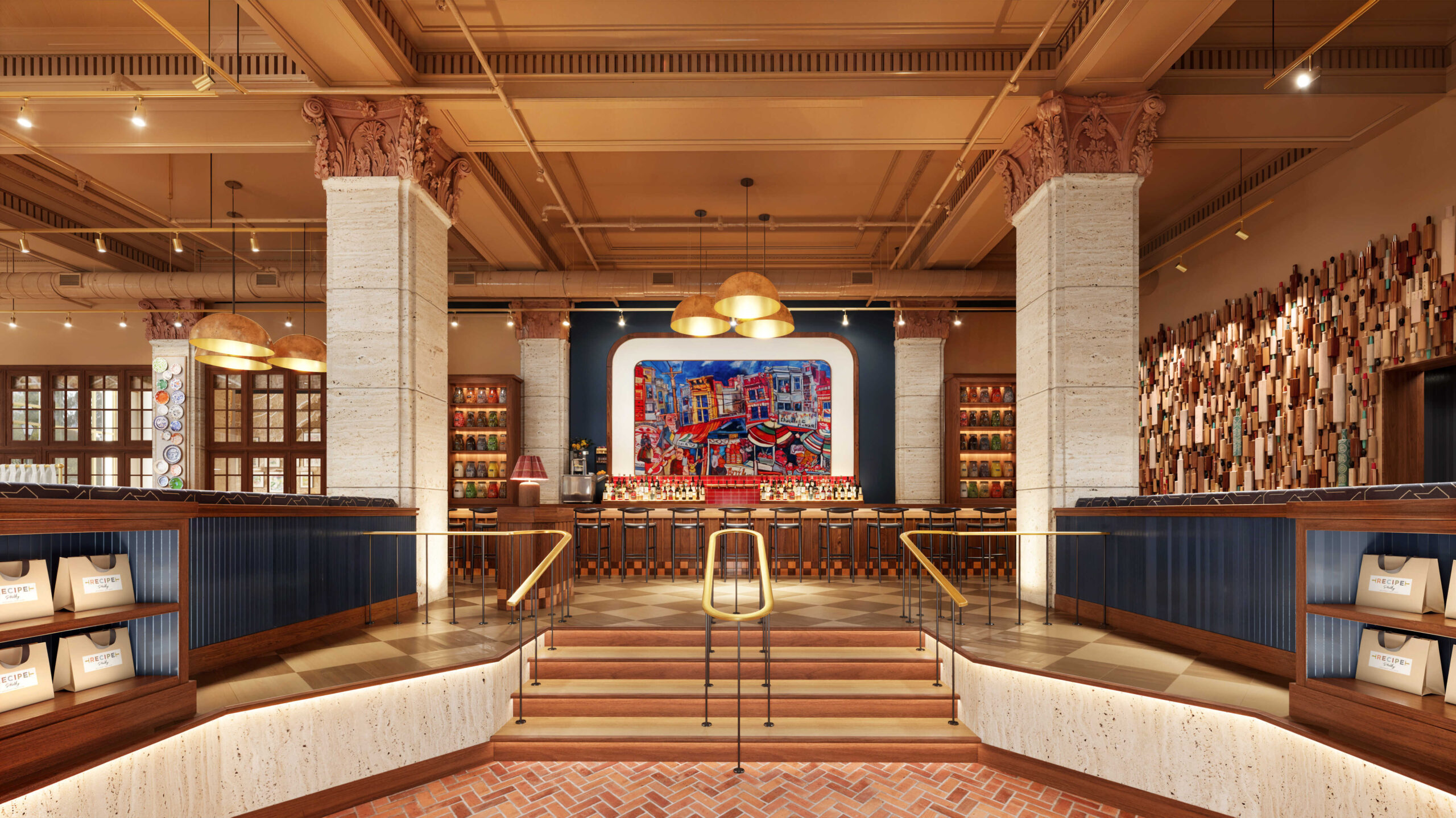
Recipe Philly, a 175-seat restaurant opening at Broad and Arch Streets in Philadelphia, embeds evolution into its business model. Local residents submit their family recipes; the winners’ dishes are added to the menu; and guests return to see their community represented. But the menu is only part of the story. The interior design reinforces this narrative at every turn with warm, welcoming spaces that celebrate the traditions passed down through generations, where heritage is honored, and guests feel like they’ve been welcomed into someone’s home. Every dish has a history, and every space has a soul.
The Business Case for Story-Led Design
Spaces built only for opening-week buzz fade quickly. Spaces built on narrative, local identity, and community connection continue to deliver relevance, return visits, and long-term performance. This is how NELSON unlocks lasting value.
Learn more about the Hospitality Practice here.

Let's Connect:
Katie Pass-Brinker,
Katie works with the hospitality team to create and produce high quality design through all phases of project development, ensuring the client’s expectations and design vision is exceeded, and achieve the firm’s goal of design excellence. She is responsible for developing conceptual design and evolving these concepts during the documentation phase as well planning, advising, reviewing, and assisting in the development of design presentations, drawings, finish palettes, furniture selections, custom carpets and FF+E, specifications, and shop drawings. A believer in open communication, Katie is highly organized and will jump in wherever she is needed to support the team. Reach her out at KPass-Brinker@nelsonww.com
