The Luxury of the Unseen: Why the Best Design is Invisible
By: Ray Ehscheid
Most people assume luxury is defined by what they see.
In reality, the most memorable luxury experiences are often defined by what they never notice.
When a workplace or healthcare environment is arranged so intuitively that stress drops and collaboration happens naturally, it isn’t recognized “decor” it’s seen as a successful outcome. Even in complex civic, multifamily, or mixed-use spaces, when operational flows and security operate completely behind the scenes to preserve human dignity, the architecture has done its job.
Across every sector, we are surrounded by invisible systems.
This creates what might be called The Paradox of Invisibility: the more successfully a space is designed, the less aware we are of the effort it took to create it. We measure its success not by what we notice, but by what we never have to think about.
In luxury environments, that invisibility becomes especially valuable. Customers do not visit to admire mechanical systems, security infrastructure, operational planning, or circulation diagrams. They arrive for the product, the service, and the experience. Every unnecessary distraction weakens that connection. Nowhere is this paradox more potent, or more demanding, than in the world of high-end luxury retail.
The Discipline of Removal
In luxury retail especially, this restraint becomes its own form of craftsmanship.
There is a constant temptation in high-end design to create spectacle, spaces that perform luxury loudly through excessive materiality, dramatic gestures, or visual overload. But true luxury rarely shouts. It understands that the customer experience is fragile. The moment a guest notices operational clutter, awkward circulation, visible infrastructure, or unnecessary friction, attention shifts away from the experience itself. Luxury becomes harder to sustain. The best luxury environments feel effortless because an enormous amount of effort has been carefully concealed.
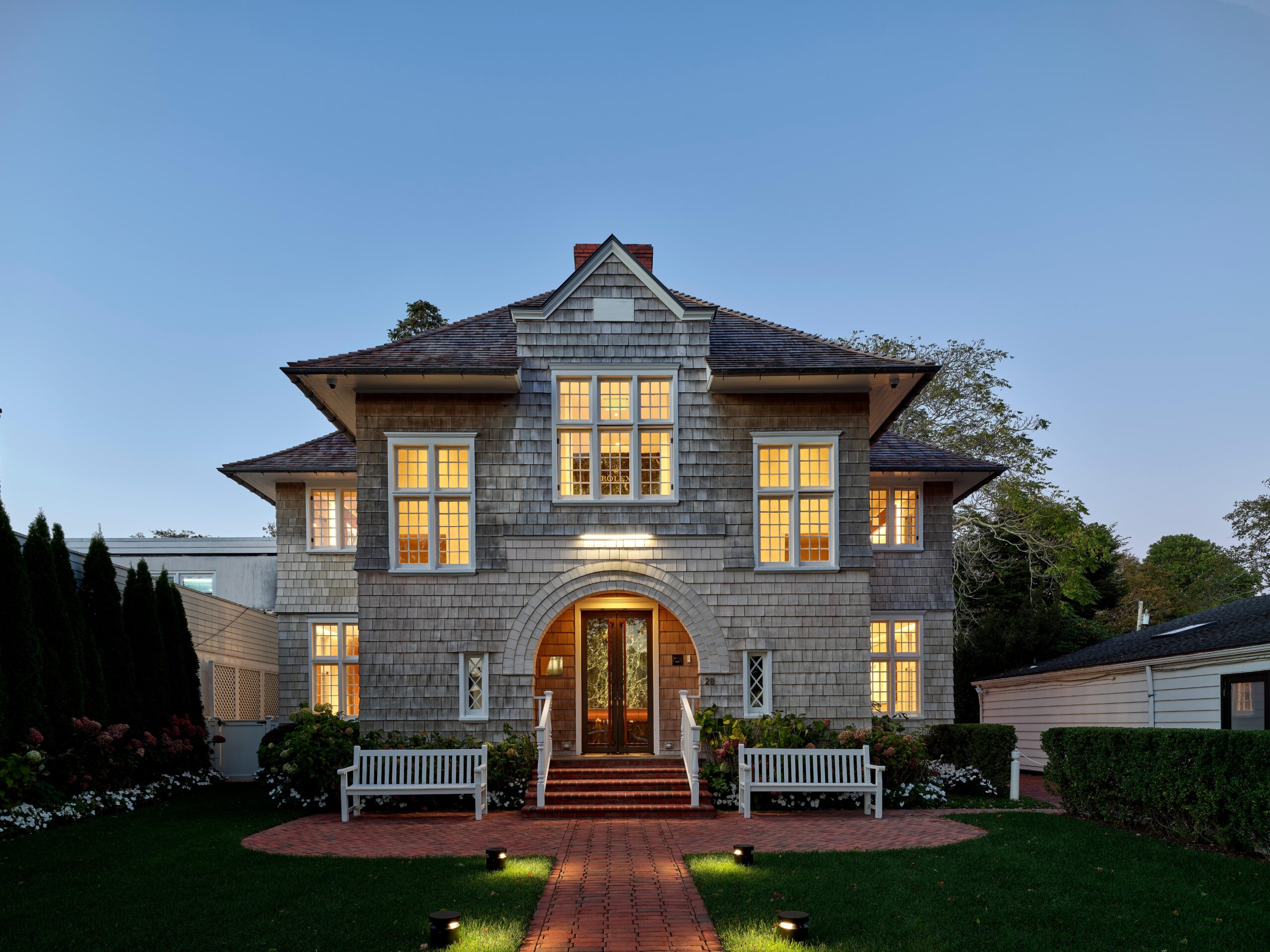
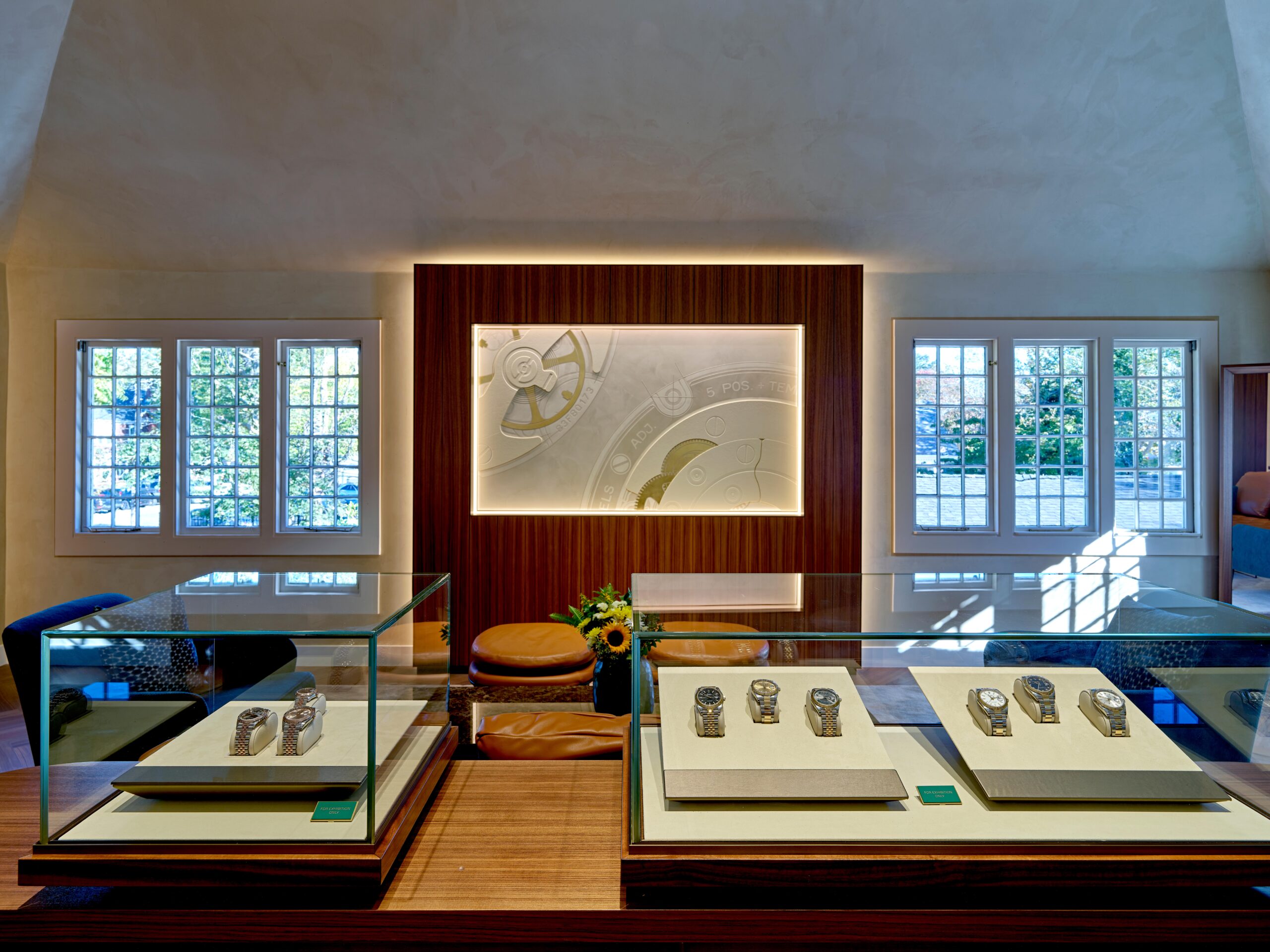
That philosophy became central to our work on the London Jewelers East Hampton Luxury Watch Boutique. The project transformed a late-1800s historic schoolhouse, later occupied by Chanel, into a freestanding luxury watch destination in one of the Hamptons’ most tightly regulated historic districts.
From the beginning, the challenge was not simply to design a beautiful boutique. It was to create an environment where every operational requirement could be resolved without competing with the experience.
Inside the boutique, the architecture intentionally steps back. A lighter, restrained material palette of soft stucco finishes and minimal wood tones allows the precision of the watches and the craftsmanship of the brand to take center stage. Nothing feels overly designed because every detail was meticulously resolved.
Behind those quiet interiors, however, was an immense amount of invisible complexity.
Three Forms of Invisible Luxury
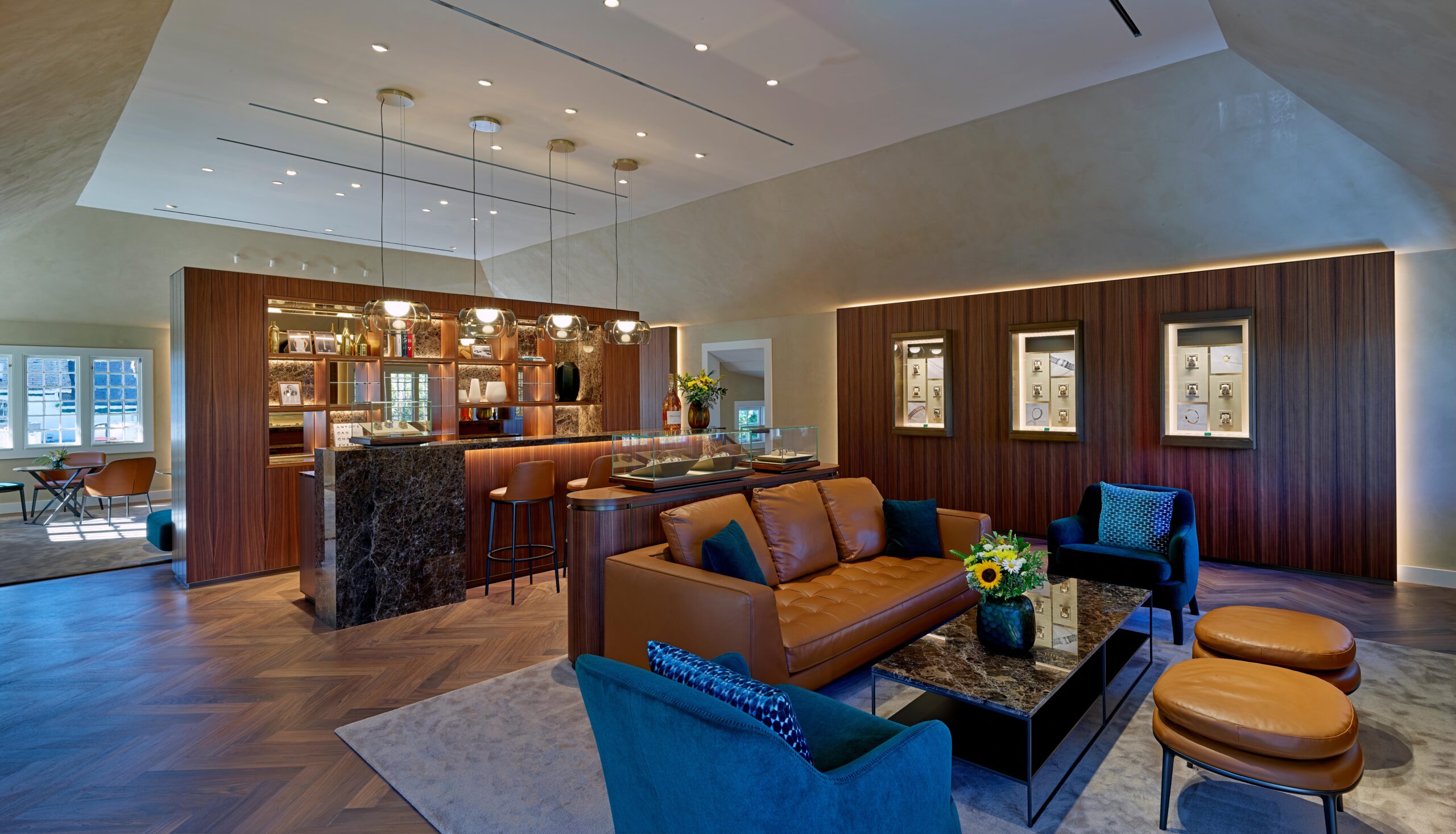
Invisible Infrastructure
Modern infrastructure had to be threaded through a century-old building without disturbing its historic character. Mechanical systems were carefully concealed so that comfort could be felt but never seen or heard. Accessibility upgrades and circulation improvements were integrated so naturally that movement through the space feels instinctive rather than directed.
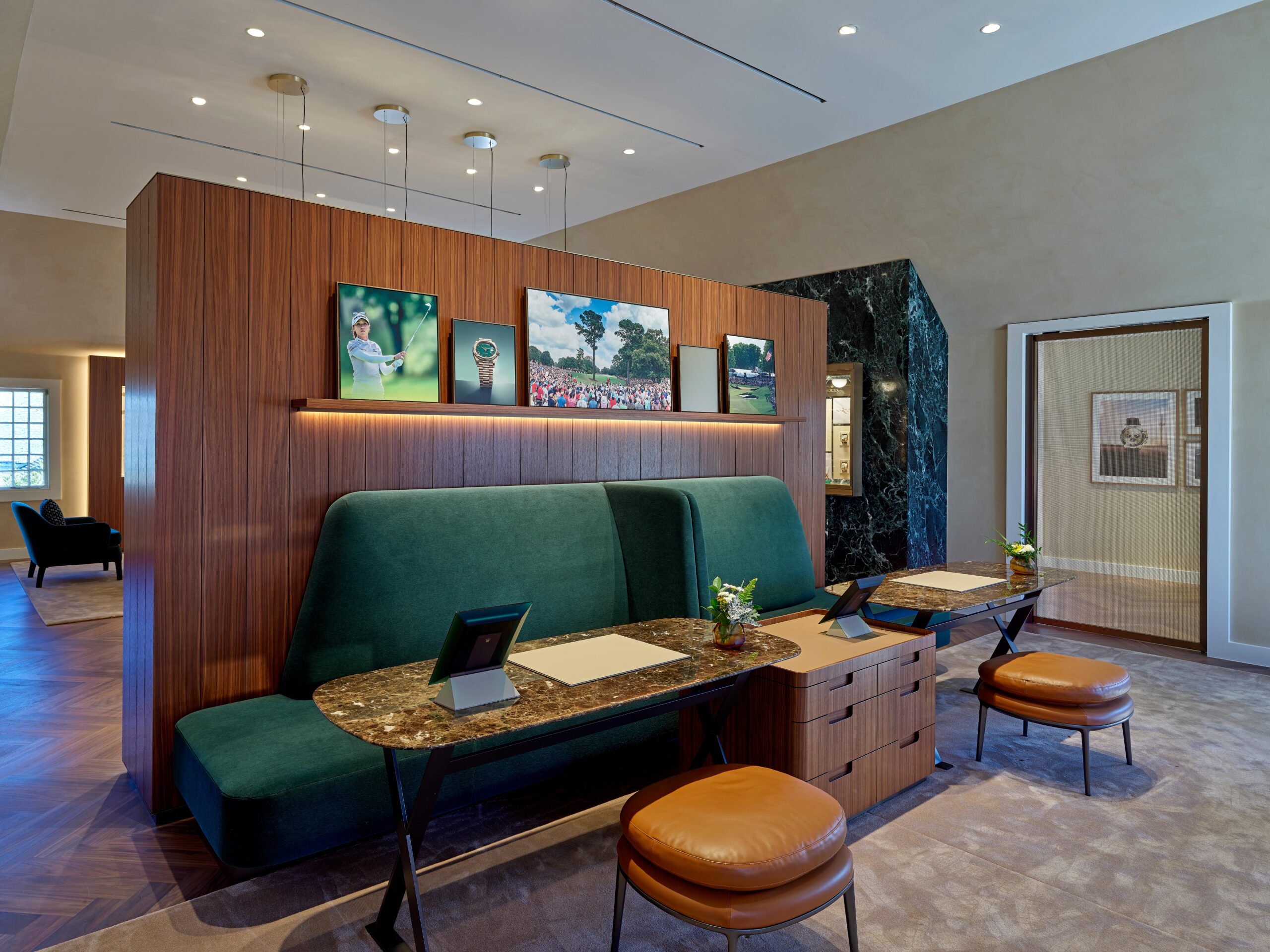
Invisible Hospitality
Even hospitality was designed to disappear. A concealed pantry and custom dumbwaiter quietly support private appointments and high-profile events behind the scenes, allowing service to unfold without interrupting the atmosphere of calm exclusivity.
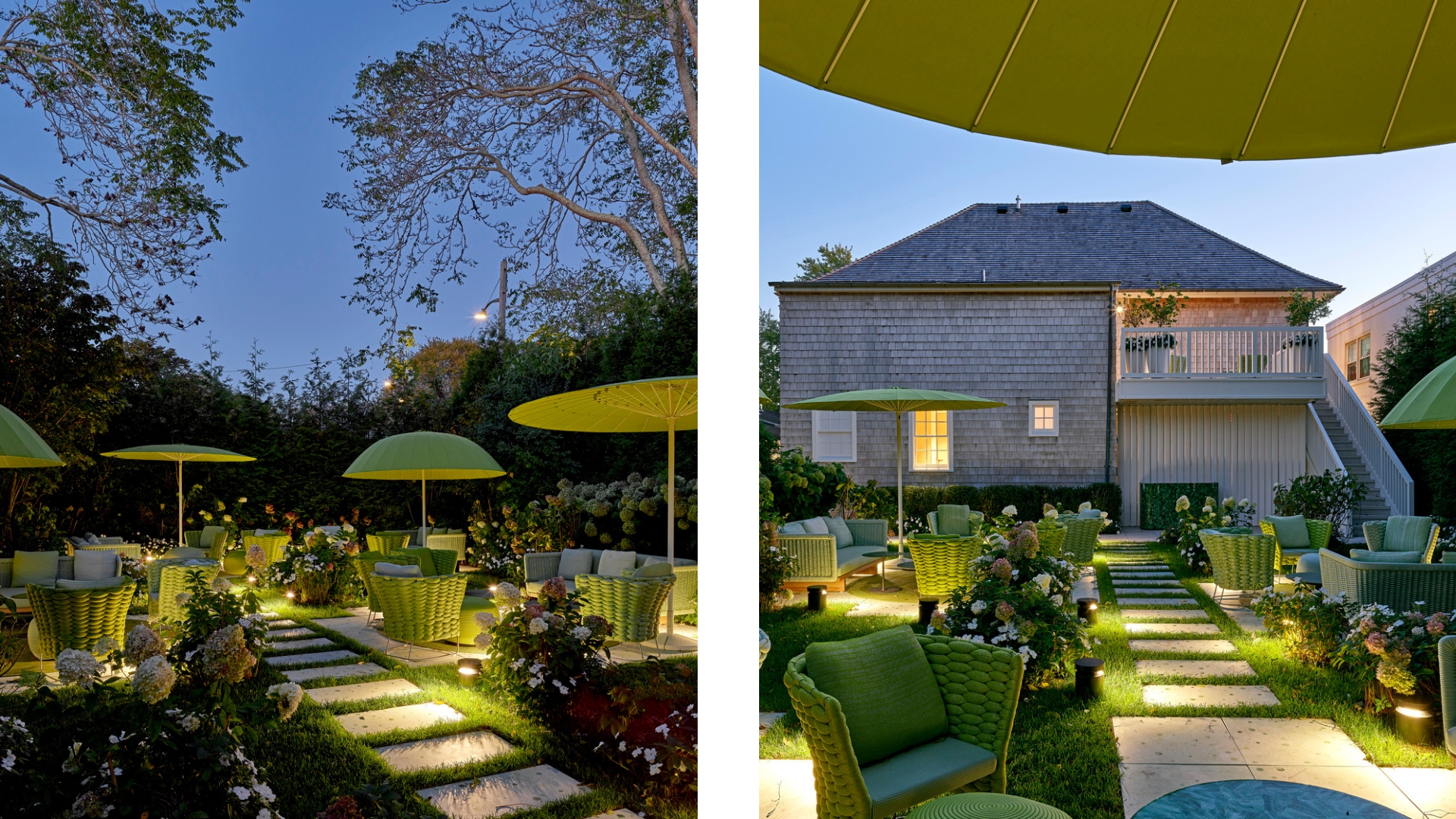
Invisible Stewardship
Outside, the same philosophy continued. The iconic wood-shingle façade was meticulously restored to preserve the architectural language of East Hampton. Lighting strategies were intentionally restrained, allowing the building to glow softly at night while respecting strict local regulations around light pollution. Even the adjacent public walking path was preserved and enhanced as a gesture of respect to the surrounding community.
None of these decisions were intended to attract attention. Their value depended on the opposite.
Luxury consumers may never consciously identify concealed infrastructure, seamless circulation, or restrained lighting design, yet they experience the results immediately. They feel a sense of ease, comfort, and quiet confidence that cannot be manufactured through finishes alone.
That is the real work of luxury design.
Not creating louder environments, but removing distractions so completely that the experience feels effortless.
The paradox is that achieving this simplicity requires extraordinary complexity behind the scenes. Every hidden system, every concealed operation, and every carefully resolved detail contributes to an environment that asks for nothing from the customer.
In the end, the highest form of luxury may not be what is added to a space, but what has been thoughtfully taken away.

Let's Connect:
Ray Ehscheid, Practice Strategy Leader, Retail
Ray holds more than 25 years of dynamic leadership experience in creating award-winning interiors with projects spanning workplace, retail, financial services and tradeshow exhibit design. He’s been a key partner with of a diverse group of global brands, including financial services, department and luxury store environments, and consumer products and services. Passionate about retail design especially focused upon his home city of New York, Ray and his work have been featured in national and international publications; he has delivered keynotes, moderated and participated on panels at major industry events, has juried design competitions and has contributed guest columns for design industry publications. Ray is a member of the Advisory Panel of ICFF, the Editorial Advisory Board of Retail TouchPoints Network, where he has been recognized as a Global Influencer, and currently is International Chairman of the Retail Design Institute (RDI), having previously served as International President. Reach out to Ray at rehscheid@nelsonww.com
