The Schematic Design Playbook: Helping Multifamily Projects Pencil
By: John Lewis
Where the Deal Gets Drawn, Not Just Designed
Every multifamily project begins with an idea and a spreadsheet. One speaks to possibility, the other to constraint. When those two align, a project pencils.
At NELSON, that alignment starts before schematic design ever begins. Before the first elevation or massing study, we are already helping developers weigh location, density, and construction cost against projected rents. Those early conversations define the edge of what is possible. By the time a project enters schematic design, the creative and financial threads tighten. This is where feasibility stops being theoretical — where choices about structure, materials, and amenities start to shape both a building and a balance sheet.
Schematic design is more than simply a design phase. It is the moment when financial performance takes form.
1. Efficiency Is Multiplicative
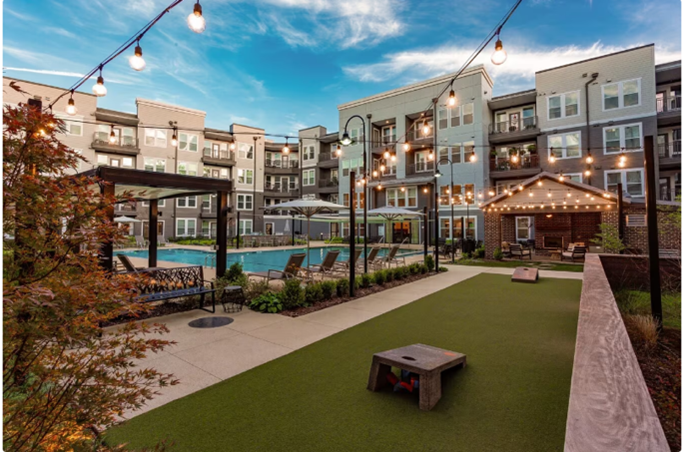
Efficiency starts with clarity of purpose. When space works harder, the numbers follow. Every square foot that’s well-planned supports both construction cost and long-term performance.
Developers are finding new value in smaller units and higher density. Even modest adjustments can make a big difference. Tightening the average unit size can add two full stacks — 20 to 40 more apartments on the same site.
Amenity space offers the same opportunity. Rooms that adapt throughout the day — a daytime dining area that becomes an after-hours lounge, a co-working room by day that hosts community events in the evening — stretch square footage further without sacrificing experience.
When efficiency is intentional from the start, projects deliver more livable space, stronger returns, and designs that stand the test of time.
2. Smarter Choices, Stronger Budgets
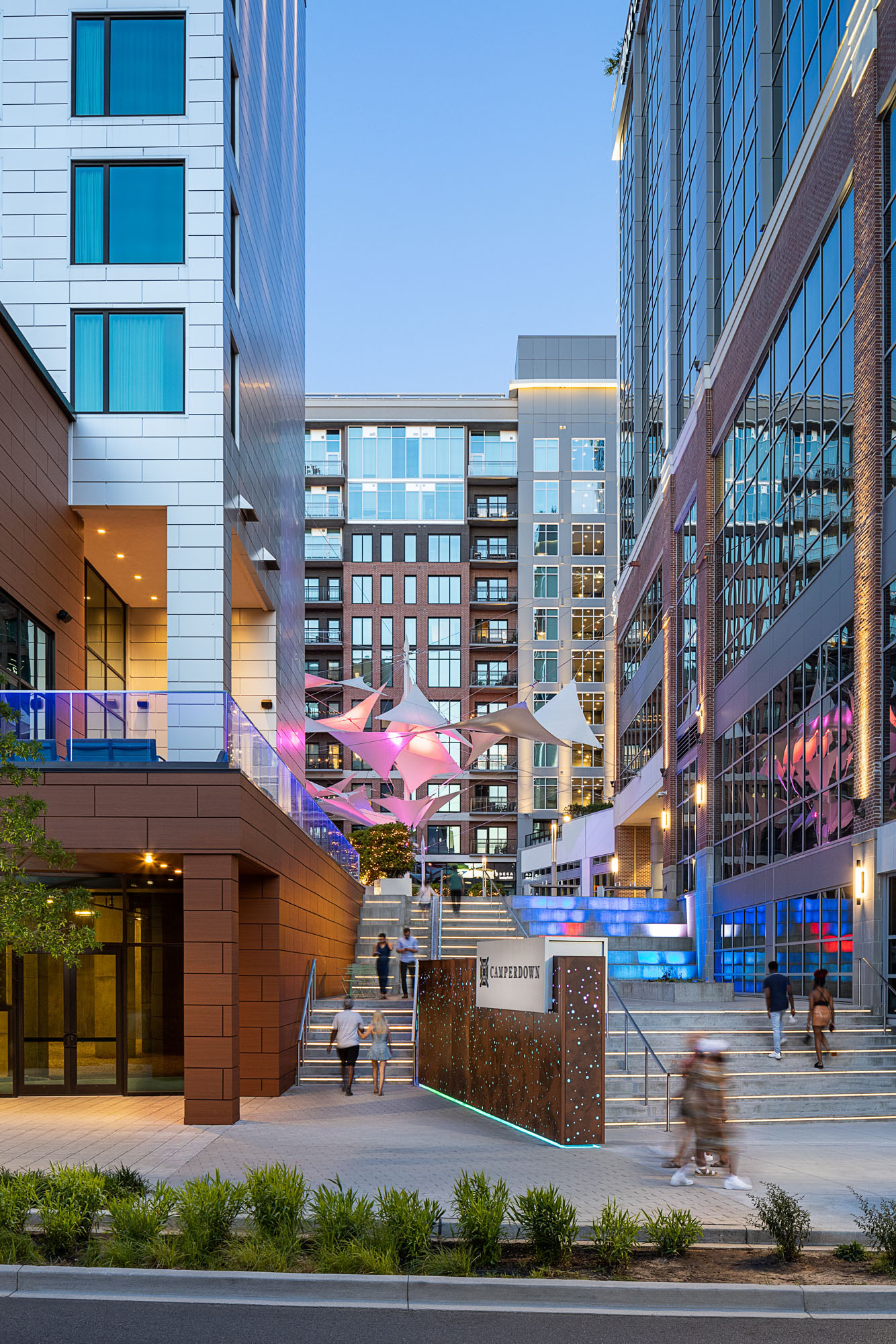
Materials set the tone, and specific choices carry more weight than most realize. For example, brick and glass lend presence and durability, but their price can sink a project that needs to stay on budget. Hardie siding, used thoughtfully, creates balance between visual impact and cost control.
We focus investment where it counts most — at corners, entries, and public edges — while simplifying materials in interior courtyards or screened zones. The result is a building that looks more refined and expensive than it costs to build.
Early coordination with contractors and cost consultants strengthens this approach. Digital tools like Revit and TestFit let us verify density, unit counts, and square footage before schematic drawings are complete. That precision helps developers confirm budgets, secure equity, and keep the schedule moving.
Smarter choices at this stage don’t limit creativity; they protect it. Design decisions made with cost clarity allow projects to reach the market faster and with fewer surprises.
3. Invest Where It Pays Back

Amenities are no longer just lifestyle perks. They influence performance as much as finishes or location. When designed with intent, they drive leasing, strengthen retention, and support long-term value.
Co-working spaces, one-bedroom-plus-den units, and flexible social rooms reflect the way people live and work today. Fitness centers, bike maintenance areas, and dog spas consistently attract and retain residents. In my experience, I find that if a fitness amenity feels substantial, it gets used. If it’s minimal, or treated as an afterthought, people ignore it. By designing a strong amenity package, we can directly shorten lease-up time and stabilize occupancy faster.
The best-performing communities connect those experiences to place. A development near the Atlanta Beltline or the Alpha Loop, for example, gains measurable value from bike connectivity and outdoor fitness zones.
Good amenities shouldn’t be seen as inflating budgets; instead, they clarify priorities. When investments reflect the lifestyle of the target renter, every square foot contributes to both livability and return.
4. Future-Proof the Asset
Designing for today without anticipating tomorrow is a short-term strategy. Design decisions made today must hold up for the next generation of residents. The best projects anticipate how technology, mobility, and sustainability will evolve, then build in flexibility from the start.
Electric vehicle infrastructure is a prime example. Many jurisdictions still limit charger placement, yet demand keeps growing. The most cost-effective projects plan the infrastructure early, even if they don’t install every feature immediately. It’s not just about putting in chargers; it’s about making sure the conduit and electrical capacity are in place, so stations can be added later without disruption.
Smart locks, thermostats, and app-based property systems are quickly becoming standard. They reduce operating costs, create convenience for residents, and help assets stay competitive as expectations rise.
Futureproofing isn’t a luxury, it’s good business. Designing with tomorrow in mind protects the asset’s value, simplifies management, and keeps communities relevant well beyond their first lease-up.
5. Unlocking Value is a Process
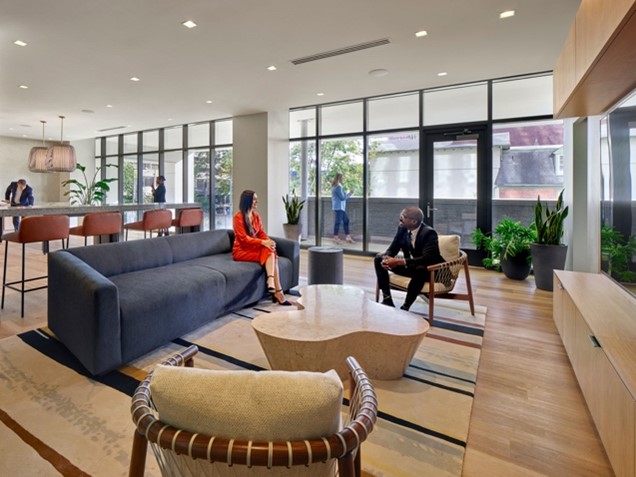
Unlocking value starts with collaboration. The best results come when everyone — developer, architect, contractor, and city officials — works toward a shared definition of success.
As multifamily architects and designers, we see our role as guiding that process. By engaging early, listening closely, and testing options in real time, we align design intent with financial and jurisdictional realities.
A recent NELSON multifamily project in Franklin, TN, put that philosophy into action. The city required a Main Street character that could have pushed the project beyond budget. By coordinating with both the client and local officials, we refined the design to meet civic goals while keeping the pro forma intact. When pricing came back, it landed exactly where it needed to be.
This kind of alignment isn’t luck. It comes from experience, trust, and a willingness to stay in the details until the design and the numbers work together.
Design as a Financial Instrument
Schematic design is where imagination meets math. Every line drawn represents a decision about value, cost and experience.
Developers who view design as part of the financial strategy, not a step that follows it, are the ones whose projects move forward. They understand that design has a measurable impact: it can shorten schedules, control costs, and elevate the long-term performance of the asset.
At NELSON, that’s how we define unlocking value. We treat design as a working tool, not a finished product — one that gives our clients a clearer path to projects that pencil, perform, and endure.

Let's Connect:
John Lewis, Studio Director, Multi-Family
John works closely with the Multifamily design team to ensure quality projects are delivered. He believes that the experience of putting a building together is a unique motivator and team-strengthening experience like no other. Critical to that process are a strong commitment to continuous communication with clients and consultants to provide and coordinate services that exceed client expectations. Reach out to him at jlewis@nelsonww.com
