The Architecture of Change: Bridging Clinical Theory and Restorative Design
By: Ken Ricci
BEHAVIORAL HEALTH PRINCIPLES AND THE ROLE OF DESIGN
Behavioral Theories
Behavioral theories in correctional rehabilitation focus on the principles of learning and conditioning to modify criminal behavior. One of the foundational concepts in this area is operant conditioning, which posits that behavior is influenced by its consequences. Positive behaviors can be encouraged through rewards, while negative behaviors can be discouraged through sanctions. Cognitive-behavioral therapy (CBT) is a specific application of behavioral theory widely used in corrections. CBT aims to change the thought patterns that contribute to criminal behavior. Programs based on these principles often include anger management, problem-solving skills, and moral reasoning, all designed to foster long-term behavioral change.
Social Learning Theories
Social learning theories highlight the influence of social environment and observational learning on behavior. According to these theories, individuals learn behaviors, values, and attitudes by observing others, particularly those they consider role models. This approach underscores the importance of social context in shaping behavior. By promoting positive social networks and interactions, these programs aim to reduce recidivism and foster rehabilitation.
Social Environment: The Power of Relationships
The social environment, comprising family, friends, and colleagues, greatly influences behavior. As noted by Dr. Emily Bennett, social psychology highlights several mechanisms through which relationships shape how we behave¹. Design and programming must therefore facilitate these connections, creating spaces that support positive social interaction and community building.
Risk-Needs Responsivity Model
The risk-needs responsivity (RNR) model is a comprehensive framework for correctional rehabilitation that advocates tailoring interventions to the individual risk factors and needs of offenders.
- The Risk Principle asserts that the level of intervention should correspond to the offender’s risk of recidivism; higher-risk individuals require more intensive intervention.
- The Need Principle emphasizes the importance of addressing criminogenic needs, which are the dynamic factors directly linked to criminal behavior, such as substance abuse, antisocial attitudes, and employment skills.
- The Responsivity Principle focuses on the necessity of adapting interventions to the learning style, motivation, and abilities of the individual.
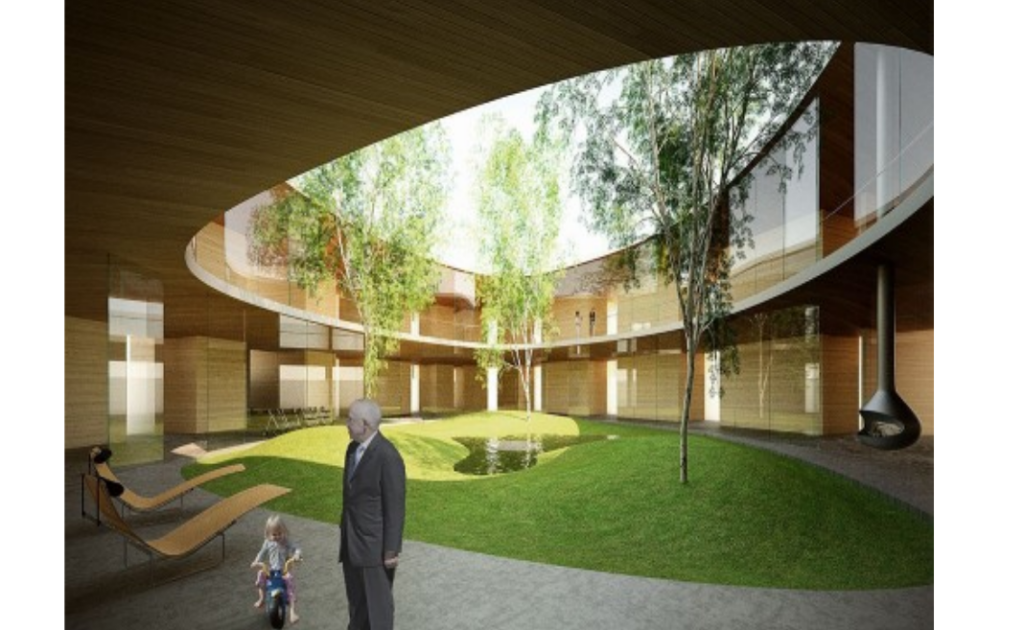
This model promotes the use of evidence-based practices that have demonstrated effectiveness for specific risk profiles. The key theories of correctional rehabilitation guide the development of effective rehabilitation programs aimed at reducing recidivism and promoting positive change and contribute to safer communities.
TYPES OF CORRECTIONAL REHABILITATION PROGRAMS
Substance Abuse Treatment
Substance abuse is a pervasive issue among incarcerated populations, significantly contributing to criminal behavior and recidivism. These programs typically involve both individual and group therapy sessions aimed at understanding and overcoming addiction. Evidence-based practices such as cognitive-behavioral therapy (CBT) are commonly used to help change substance use behaviors. Medication-assisted treatment (MAT) is another crucial component, combining medications like methadone, buprenorphine, or naltrexone with counseling to treat substance use disorders. Relapse prevention strategies are also integral, providing individuals with the tools to maintain sobriety upon release.
Cognitive-Behavioral Interventions
Cognitive-behavioral therapy (CBT) is a cornerstone of correctional rehabilitation due to its proven effectiveness in reducing recidivism. CBT programs focus on identifying and altering cognitive distortions and criminogenic thinking patterns that contribute to criminal behavior. These interventions help individuals develop better problem-solving skills, enhance emotional regulation, and adopt prosocial behaviors. CBT is often delivered through structured group sessions that encourage participants to reflect on their thoughts and behaviors and learn from each other’s experience.
Educational and Vocational Training
Education and vocational training are vital components of correctional rehabilitation, equipping individuals with the skills necessary for successful reintegration into society. Correctional educational programs range from basic literacy and GED preparation to college courses, often in partnership with educational institutions. Vocational training programs provide inmates with practical skills in fields such as carpentry, welding, culinary arts, and information technology. These programs not only enhance employability but also instill a sense of accomplishment and self-worth. By improving educational attainment and job readiness, these programs play a critical role in reducing recidivism and facilitating successful post-release employment.
Social Support and Reintegration Programs
Successful reintegration into society requires robust social support and targeted reintegration programs. These initiatives provide essential services such as housing assistance, employment counseling, and life skills training. Mentoring programs connect formerly incarcerated individuals who offer guidance, support, and practical advice on navigating life after release. Reintegration programs also focus on rebuilding family relationships and community ties, which are crucial for emotional support and stability. These programs are designed to reduce recidivism, facilitate successful reintegration, and ultimately contribute to safer communities.
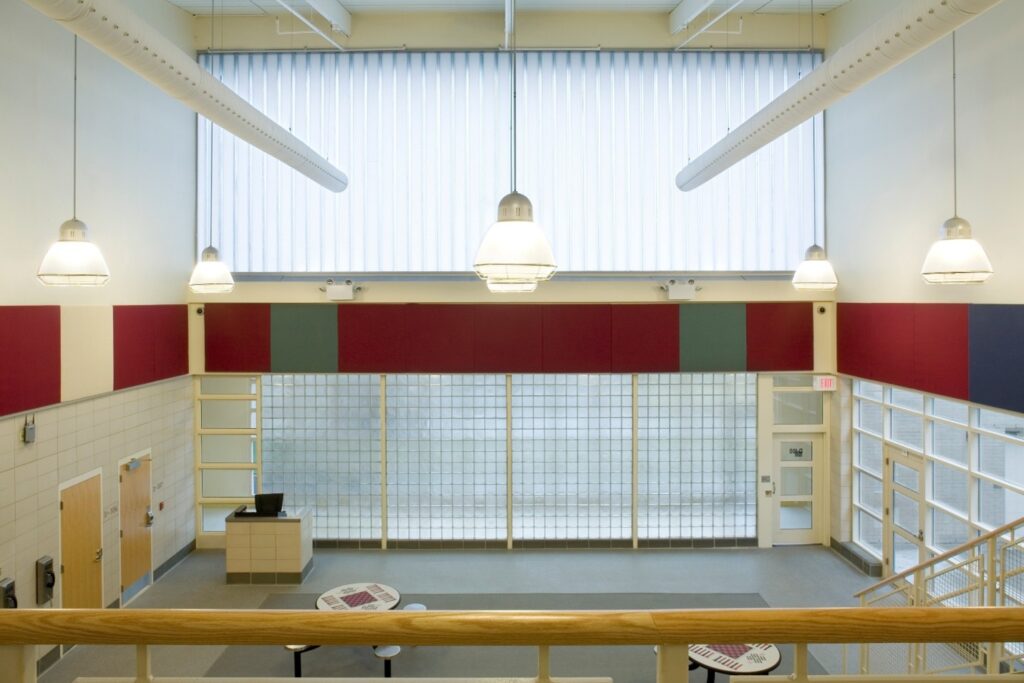
SPECIALIZED PROGRAMS FOR DIVERSE POPULATIONS
Mental Health Treatment
Within incarcerated populations, there is a significant prevalence of mental health disorders that often go untreated, contributing to higher rates of recidivism. In correctional settings, mental health treatment must include individual counseling, group therapy, psychiatric medication management, and crisis intervention services. The primary goal of these interventions is to stabilize mental health conditions, reduce symptoms, and equip individuals with coping strategies essential for maintaining mental well-being both during incarceration and upon release.
Trauma-Informed Approaches
Trauma is a pervasive factor in the lives of many individuals involved in the criminal justice system, influencing their behavior and experiences. Trauma-informed approaches within correctional settings recognize the impact of past traumatic experiences and aim to create environments that promote healing and recovery. These approaches emphasize safety, trustworthiness, choice, collaboration, and empowerment. By addressing trauma triggers and providing supportive environments, these programs aim to reduce re-traumatization, enhance emotional regulation, and support successful rehabilitation.
Gender-Responsive Programs
Women involved in the criminal justice system face distinct challenges that require specialized attention and support. Gender-responsive programs are designed to address these unique needs, recognizing factors such as trauma, abuse histories, and childcare responsibilities. These programs provide a supportive environment that acknowledges and responds to the realities of women’s lives, offering trauma-informed therapy, parenting skills development, and gender-specific counseling. These programs aim to improve outcomes for women in the justice system, reduce recidivism rates, and support successful reintegration into the community.
THE ROLE OF THE PHYSICAL ENVIRONMENT
The Impact of Architecture on Healing
Historically, the design of care facilities was rooted in the belief that the environment itself could be therapeutic. As noted by experts in the field, early institutions were often “monuments to civic pride,” ² built with noble intentions by leading architects who envisioned asylums as places of refuge, therapy, and healing. These spaces prioritized spaciousness, community, and areas for work and play—a haven that state hospitals were originally well-equipped to provide. While the systems managing these facilities faced challenges, the architectural principles of creating a “benign” and restorative environment remain relevant today. Research consistently demonstrates that physical space can dictate behavior; just as a well-organized workspace enhances productivity, cluttered or oppressive environments can lead to distraction and anxiety.
The Context of Physical Space
Research consistently demonstrates that physical space can dictate behavior. A well-organized workspace can enhance productivity, while cluttered environments can lead to distraction and anxiety.
Environmental Cues and Sensory Design
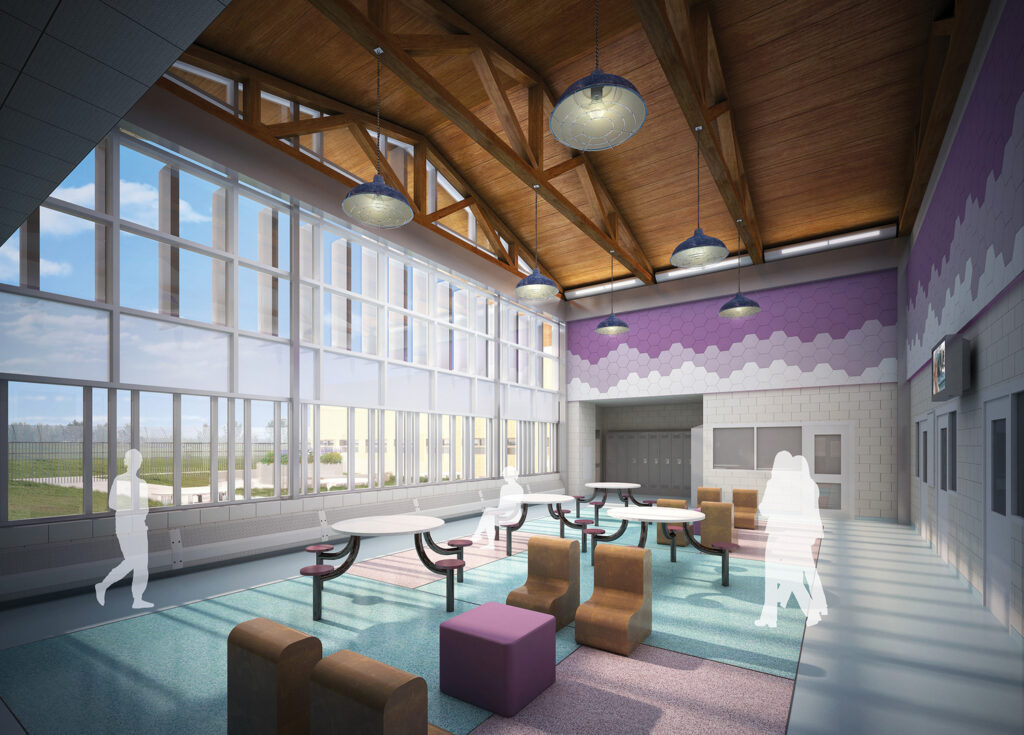
Behavior and environmental cues are intricately linked. Environmental cues are signals or stimuli from our surroundings that can influence our behavior, thoughts, and emotions. These cues can be visual, auditory, olfactory, or contextual:
- Visual Cues: Colors, shapes, and layouts serve as direct psychological signals that influence emotional states and behavioral responses. In restorative design, the strategic selection of a palette is essential for fostering specific outcomes:
- Serenity and Safety: Cool tones like blue and green are fundamentally linked to calming the nervous system. Soft greens mimic natural environments to provide a sense of safety, while light blues promote serenity and reduce stress.
- Security: Deeper, stable hues and earth tones provide a sense of permanent structure and security, grounding the environment for both staff and residents.
- Joy and Sociability: Warmer, vibrant colors like yellow and orange can be used in communal or programmatic areas to energize the space, stimulate joy, and encourage positive social behavior.
- Auditory Cues: Sounds, such as background music or nature sounds, can affect mood and focus. Upbeat music in a store can encourage longer shopping times.
- Olfactory Cues: Scents can trigger memories and emotions. The smell of freshly baked cookies might evoke feelings of nostalgia or comfort.
SUSTAINABLE OUTCOME METRICS
Sustainability in correctional facility design extends beyond environmental considerations to include staff well-being, operational efficiency, and positive outcomes for residents. Design and operational strategies should be informed by measurable outcomes, including recidivism reduction, staff safety, program engagement, and rehabilitation success to ensure facilities achieve their intended goals over time.
Daylight and Biophilic Design
Incorporating natural light and access to outdoor views improves mood, cognitive function, and overall well-being for both staff and residents. Daylight and views from dayrooms, combined with vibrant colors, create a positive staff attitude and promote an environment conducive to positive behavioral change.

Staff Retention and Attendance
Thoughtful environmental and operational design can reduce staff absenteeism and improve retention, enhancing safety and continuity of care. The relationship between the building and its users is critical; excellent sightlines, climate control, and acoustic dampening reinforce a sustainable environment for the individuals working within the space.
Energy Efficiency
Sustainable design strategies, such as efficient lighting, HVAC systems, and renewable energy integration, reduce energy consumption while lowering operational costs and environmental impact. By measuring and prioritizing these outcomes, facilities can create environments that support human performance, operational sustainability, and long-term rehabilitation goals.
KEY PRINCIPLES FOR FACILITY OPERATIONS
Direct Supervision
Direct supervision models position staff within housing units and communal areas rather than isolated control rooms. This approach allows for continuous, proactive observation of inmate behavior, encouraging positive interactions and rapid response to incidents.
Clear Lines of Sight
Facility layouts should prioritize unobstructed visibility, minimizing blind spots and allowing staff to monitor activity safely and efficiently. Clear sightlines improve both security and situational awareness, reducing risk for staff and inmates alike.
Human Element: Staff Interaction
Staff engagement is central to maintaining order and promoting rehabilitation. Thoughtful design should facilitate meaningful, structured interactions between staff and incarcerated individuals, supporting both safety and behavioral guidance.
Proactive Management
Rather than reacting to incidents, facilities should be designed and operated to anticipate risks. This includes using environmental design strategies, staff positioning, and programmatic interventions to prevent conflict and manage behaviors before they escalate.
Safety and Structure
A secure and orderly environment is essential for both staff and incarcerated individuals. Design features, operational procedures, and programmatic structures should work together to create predictable routines, clear expectations, and a stable environment that supports both rehabilitation and institutional safety. A commitment to these principles paves the way for a future where rehabilitation is central to achieving justice, public safety, and positive social outcomes.
CONCLUSION
The evolution of correctional facilities from simple containment to centers of rehabilitation requires a holistic approach that bridges the gap between clinical theory and physical space. By aligning evidence-based behavioral interventions such as the Risk-Needs Responsivity model and trauma-informed care with restorative architectural principles, we create environments that actively support human change. Whether through the strategic use of environmental cues to reduce stress or the implementation of direct supervision to foster positive staff interactions, every element of the facility must serve a therapeutic purpose. Ultimately, the synergy between programming and design is what transforms a facility into a resilient institution capable of ensuring safety, enhancing staff well-being, and empowering individuals to return to their communities as productive citizens.
NOTES AND REFERENCES
- Sacks, O. (2009). The Lost Virtues of the Asylum. The New York Review of Books. (Source for the historical perspective on asylums as “monuments to civic pride” and the foundational belief in therapeutic environments).
- Bennett, E. Clinical Psychology and Mental Health. (Source for the analysis of the social environment and the psychological mechanisms through which relationships and environmental context shape human behavior).

Let's Connect:
Ken Ricci, Vice President | Business Development Leader
As both architect and advocate, Ken has devoted his 40-year career to the programming, planning, and design of justice and correctional facilities throughout the country, leading clients and design professionals in restoring dignity to a justice system used by millions of individuals. A philosophy of humane design guides his work, courthouses, and detention centers (adult and juvenile) that promote human dignity, sustainability and normative behavior. Reach out to him at kricci@nelsonww.com.
