Healthcare Beyond Walls: Designing the Future of Care
By: Rolando Conesa | AIA, NCARB
The traditional hospital campus remains a cornerstone of modern medicine, but it is no longer the sole anchor of the patient experience. We are witnessing a fundamental paradigm shift where the “where” and “when” of care are moving rapidly into community hubs, retail corridors, and the digital realm. For health systems and facility leaders, this concept of “Healthcare Beyond Walls” is no longer just a trend to watch, it is an operational imperative driven by a consumer base that prioritizes access and convenience above almost all else.
Three distinct forces are accelerating this decentralization. First, patient expectations have evolved; convenience now outranks brand loyalty or insurance as the primary driver for selecting a provider. Second, the technological infrastructure built during the pandemic has matured, with telehealth usage stabilizing at 38 times pre-pandemic levels, signaling a permanent shift toward hybrid care models. Finally, the dual necessity of operational resilience and expanded access is reshaping the physical footprint of care. Recent severe weather events and public health challenges have demonstrated that centralized models can be vulnerable to disruption. Simultaneously, health systems are prioritizing the expansion of care into broader, often underserved segments of the community. By distributing infrastructure through micro-hospitals and neighborhood clinics, providers can ensure business continuity while bringing high-quality services directly to the populations that need them most.
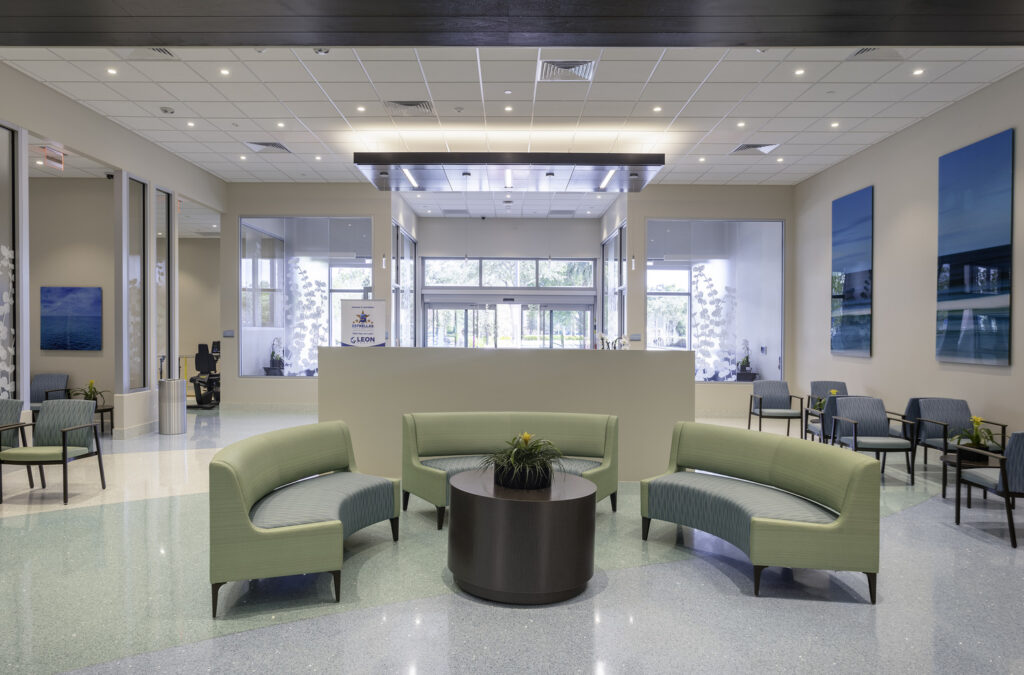
LEON Medical Center – Homestead
At NELSON Worldwide, we see these challenges as opportunities to design an “ecosystem of access” rather than isolated buildings. This approach requires adaptive infrastructure that can flex as care models change. We have seen the success of this strategy in retail-to-health conversions, such as our work with Leon Medical Centers in Homestead, Florida. By transforming a former multiplex theater into a comprehensive outpatient hub, we revitalized an existing asset to bring imaging, rapid care, and specialty services directly to the consumer. Similarly, our work with Northside Hospital Sports Medicine in Buckhead demonstrates that clinical excellence can thrive in walkable, mixed-use environments, effectively meeting patients where they live and shop.
However, accessibility must be paired with resilience. The “Healthcare Beyond Walls” philosophy demands that facilities are not just convenient, but durable. Following the devastation of Hurricane Irma, we partnered with Baptist Health South Florida to rebuild Fishermen’s Community Hospital. Designed to withstand Category 5 hurricanes, this facility ensures that critical emergency and outpatient services remain operational even in the harshest conditions. This commitment to resilient design was also a driving force behind the West Kendall Baptist Hospital project, proving that safeguarding physical assets is essential to safeguarding community health.
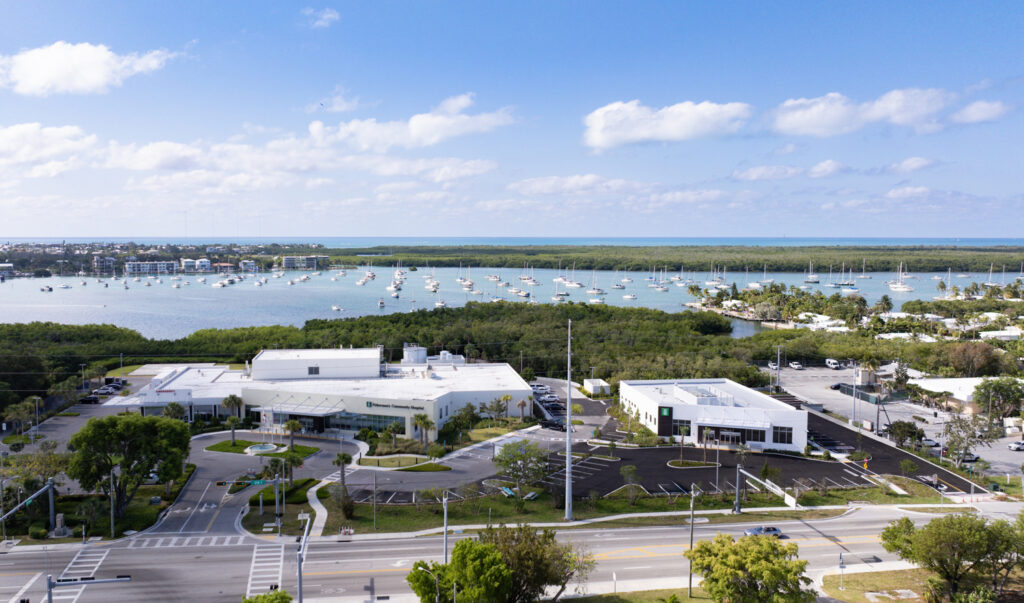
Baptist Health Fishermen’s Community Hospital
Ultimately, the future of healthcare relies on integrating these diverse typologies, from wellness-centered flagships like Main Line Health Center at Concordville to hospitality-inspired behavioral health hubs like the Addiction Alliance of Georgia. By leveraging cross-sector expertise in retail, mixed-use, and civic design, we can help providers look past the traditional four walls. The goal is to design systems of health that are adaptive, sustainable, and deeply embedded in everyday life, ensuring a healthier, more accessible future for all.

Let's Connect:
Rolando Conesa | AIA, NCARB, Vice President | Business Development Leader, Healthcare
Rolando brings 40 years of experience to his role in designing a wide range of healthcare and adjacent projects, including ancillary departments, diagnostic centers, nursing homes, and outpatient facilities. In addition to driving growth in the Healthcare practice, he also services clients and their projects and supports his fellow teammates in the design, production, and ultimately, the construction of healthcare projects. Rolando has a Master of Building Technology and Architectural Design from Columbia University. Reach out to Rolando at RConesa@nelsonww.com
