The Casino Floor Is a 15-Year Investment in a Market That Changes Every Month
By: Sonia Benner
A casino floor is a long-term capital investment operating in a market that can change by the month. With digital gaming available from a phone, casinos can no longer rely on gambling alone to bring people through the door. The physical property has to offer a compelling experience and keep earning the visit. For owners, that makes adaptability a business priority: planning decisions must preserve the operator’s ability to respond to performance data, player behavior, and market conditions without turning every change into another major capital project.
Follow the Revenue
Operators track machine performance continuously, moving weaker games out of prime positions and pulling stronger performers toward traffic. Yet on many floors, the building itself makes that response harder than it needs to be. Fixed power and data connections, architectural ceiling elements, and camera placement can tie operations to a specific gaming layout. Relocating machines then becomes a construction exercise, adding expense for facilities and operations teams and requiring careful phasing to minimize disruption to the player experience.
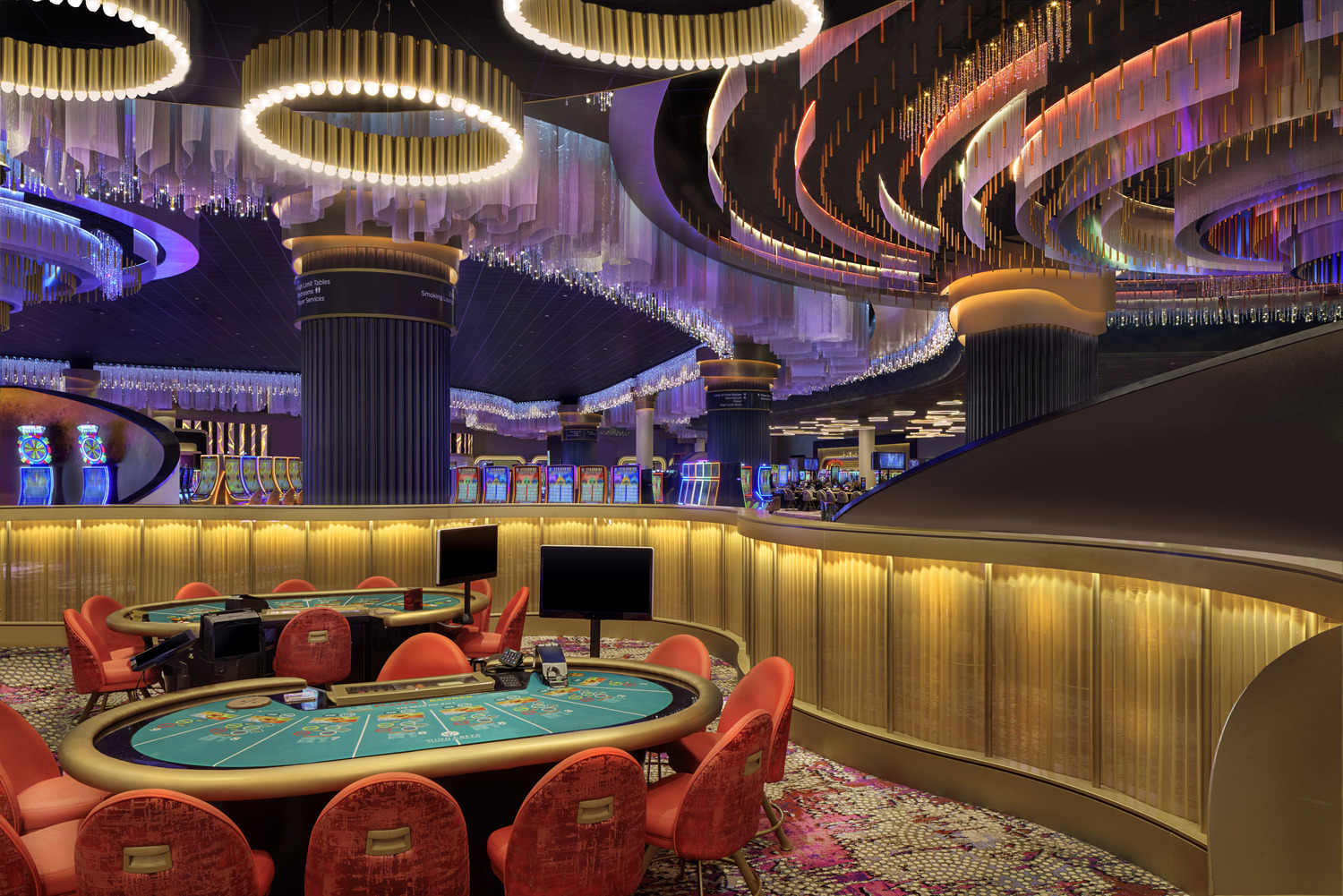
At Wind Creek Southland, NELSON approached that infrastructure as an operating tool. The ceiling stands independently from the slot layout, while a raised floor and Axminster carpet tiles allow wiring and finishes to adapt as machines move. Revenue-producing games can follow the data without requiring the operator to repeatedly reinvest in the building around them.

Preserve Future Options
Many casinos place the bar and table games at the center of the floor and organize every path around them. That creates a clear focal point, but it also hardwires a hierarchy into the property: one use begins to dictate how the entire floor must operate.
The Table Games at Wind Creek Southland sits to one side instead, keeping it clear as slot layouts rearrange, expand, or contract, and closer to the back of house for secure chip movement. Circulation meanders rather than revolving around a single centerpiece, so routes can evolve as the floor changes. These decisions give operators room to adjust the gaming mix and avoid making today’s operating assumptions expensive to undo tomorrow.
Keep the Experience Fresh
Competing with digital gaming also requires experiences that make a physical visit worthwhile. Restaurants and distinctive interiors help establish that appeal, while changing events and opportunities for social interaction give guests something new to discover. Eventbrite’s 2026 Social Study found that 49% of respondents ages 18–35 in the U.S. and U.K. wanted events to feel “less curated and more real.” Among the younger millennials and Gen Z represented in the research, the findings point to an appetite for experiences that leave room for spontaneous connection. For casino owners, that suggests value in spaces that support changing programming and give guests a choice in how they engage.
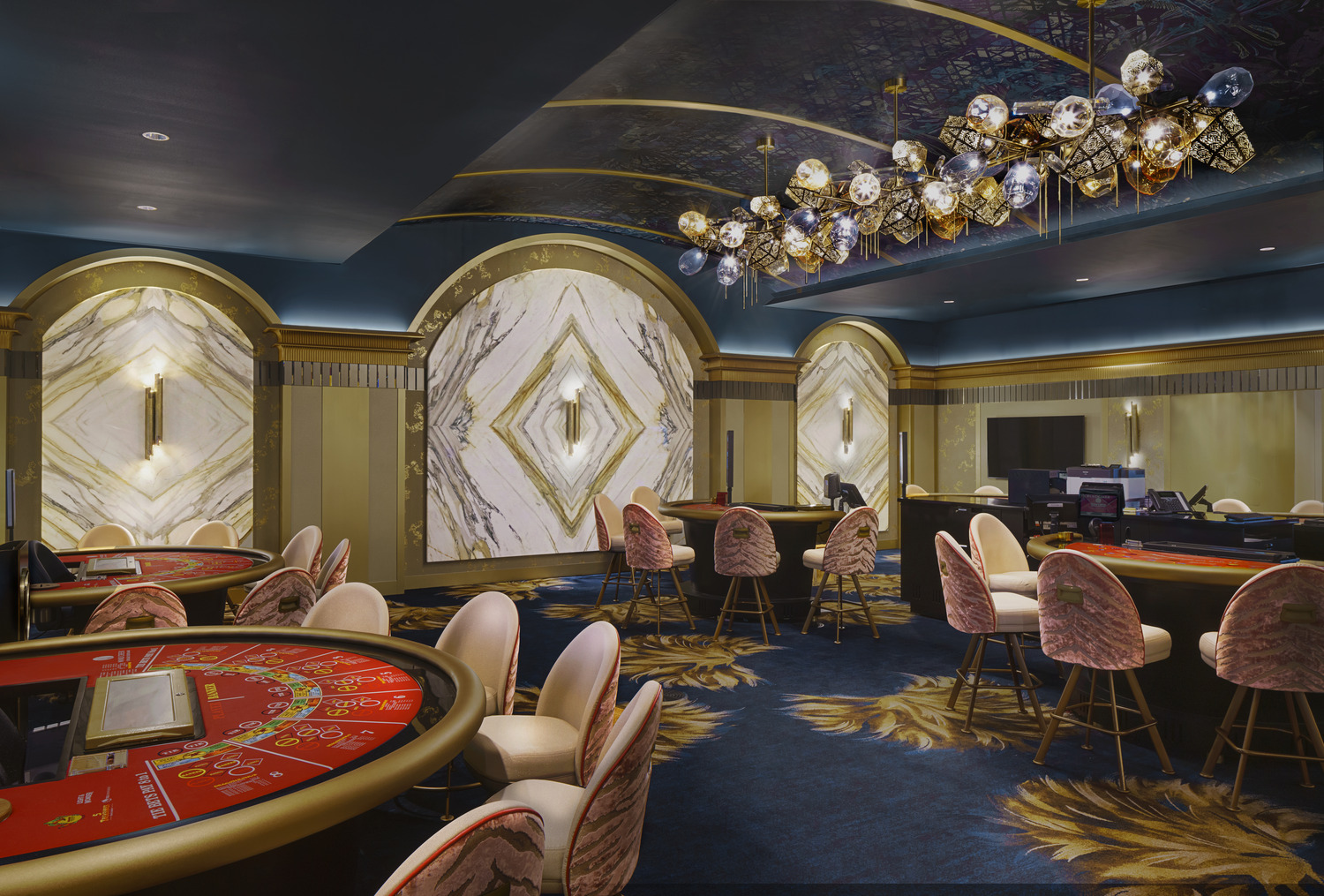
Wind Creek Southland has four gathering spaces are built directly into the gaming floor. They can accommodate promotional gaming machines, private events, live entertainment, and promotions or giveaways. Integrating these activities into the floor brings them into the player experience, creating opportunities for engagement and discovery as guests move through the property. Each space can serve different purposes as programming changes, allowing the operator to introduce variety and new reasons to return without rebuilding around a single fixed use.
Adaptability Protects Optionality
Across Wind Creek Southland, NELSON’s planning decisions connect the guest experience to the operator’s freedom to act. Over the fifteen or more years before a major renovation may be considered, that flexibility can reduce the disruption and capital required for routine changes, helping owners sustain the value of their investment.
A floor designed to change gives operators the means to pursue new revenue opportunities while refreshing what makes the property worth visiting. Its long-term value rests in how effectively it can keep working as the business changes, attract future audiences, and compete with digital gaming.

Let's Connect:
Sonia Benner, Senior Interior Designer, Hospitality
Sonia is a passionate interior designer with two decades of experience and an eye for aesthetics. She has worked on an array of hospitality, residential, corporate, and restaurant projects. Sonia was named an ASID Interior Design Rising Star in 2014.
